
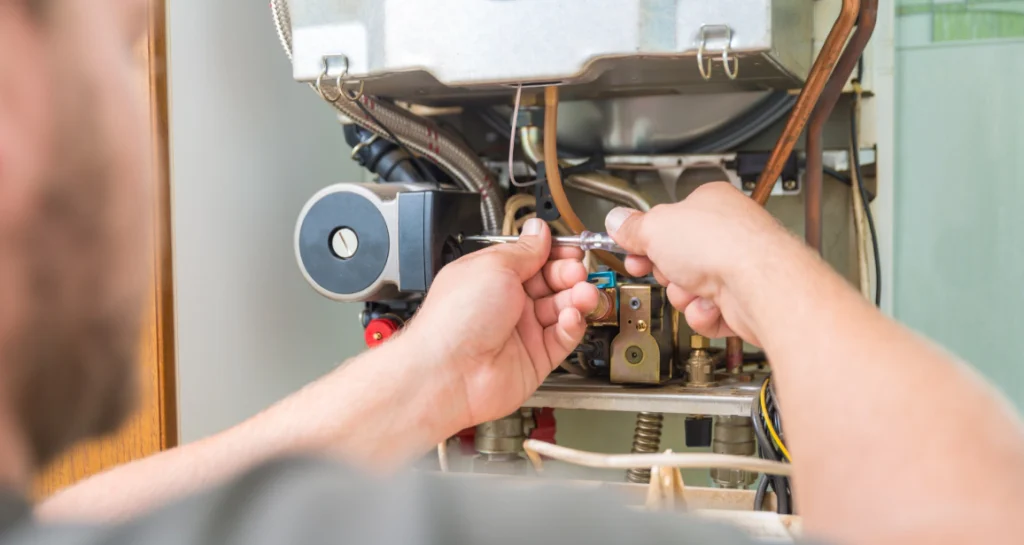
Signs Your Heating System Needs Attention
Heating systems rarely fail without warning. In most cases, your furnace or heat pump will signal trouble weeks or even months before a complete breakdown. Recognizing these early indicators can save you from emergency service calls during the coldest nights of the year.
Listen for unusual sounds during operation. Grinding, squealing, or banging noises often point to worn bearings, loose components, or failing blower motors. A well-maintained system should run quietly, with only the gentle hum of airflow. If your utility bills have climbed unexpectedly, your system may be working harder to maintain temperature settings, consuming more energy to deliver the same comfort level.
Uneven heating throughout your home is another red flag. When some rooms feel comfortable while others remain cold, the problem could be anything from ductwork issues to a failing heat exchanger. Frequent cycling (turning on and off repeatedly) or difficulty reaching your thermostat setting both indicate declining efficiency. Around Wendell and Raleigh, where winter temperatures can drop into the twenties and heating systems run steadily from November through March, these signs become especially noticeable. Pay attention to how often you adjust the thermostat or notice temperature swings. Any system older than twelve years showing multiple symptoms deserves a thorough diagnostic evaluation.
Repair Costs vs. Replacement Investment
Understanding the financial side of heating system decisions requires looking beyond the immediate repair quote. Minor fixes such as thermostat replacements, flame sensor cleaning, or limit switch repairs typically range from $150 to $400. These straightforward jobs restore function without significant investment and make sense for systems with years of reliable service remaining.
Mid-range repairs present a more complex decision. Blower motor replacements, gas valve repairs, or circuit board replacements often fall between $500 and $1,200. At this price point, the age of your system becomes a critical factor. A six-year-old furnace with a failed blower motor is an easy repair decision. The same repair on a fifteen-year-old system demands more careful consideration.
Major component failures change the equation entirely. Heat exchanger cracks, compressor failures in heat pumps, or complete control system breakdowns can cost $1,800 to $3,500 or more. When a single repair approaches half the cost of a new system, replacement typically offers better long-term value. New heating systems for an average-sized home in the Wake County area generally range from $4,500 to $8,500 installed, depending on system type, efficiency rating, and home size.
Consider total ownership cost over the next five years. An aging system will likely need additional repairs beyond the immediate fix. New systems come with manufacturer warranties (typically ten years on parts, sometimes longer on heat exchangers) and deliver 15-25% better energy efficiency than models manufactured fifteen years ago. For homeowners planning to stay in their property, this efficiency gain translates to lower monthly utility costs that partially offset the replacement investment. Our heating system installation services include detailed cost-benefit analysis to help you understand the true financial impact of each option.
The Repair vs. Replace Decision Framework
HVAC professionals often use a simple calculation to guide replacement decisions: multiply the repair cost by the system’s age in years. If the result exceeds $5,000, replacement usually makes more financial sense than continued repairs. For example, a $600 repair on a twelve-year-old furnace yields 7,200 (600 × 12), well above the threshold. A $600 repair on a five-year-old system yields only 3,000, suggesting repair is the smarter choice.
This rule provides a useful starting point, but several other factors deserve consideration. System efficiency matters significantly in our climate. Older furnaces typically operate at 80% Annual Fuel Utilization Efficiency or lower, meaning 20 cents of every heating dollar is wasted. Modern units achieve 95-98% AFUE, capturing nearly all the energy value from fuel. For homes in Durham, Cary, or Apex that heat with gas or propane, this efficiency difference compounds over hundreds of hours of winter operation.
Refrigerant type becomes important for heat pump systems. Units manufactured before 2010 often use R-22 refrigerant, which is no longer produced. Repairs requiring refrigerant recharging can be expensive due to limited supply. Newer systems use R-410A or other modern refrigerants that will remain available and affordable for decades.
Consider your home’s comfort requirements. If your current system struggles to maintain consistent temperatures even when functioning properly, a larger repair might not solve the underlying problem. Sizing issues, ductwork limitations, or inadequate insulation can all contribute to comfort problems that repairs alone won’t address. In these situations, replacement offers an opportunity to right-size the system and address distribution issues simultaneously. Professional HVAC diagnostics can identify whether your discomfort stems from equipment failure or system design limitations.
Local Heating Demands in NC and Beyond
The heating season in central North Carolina differs significantly from northern climates, which affects how we evaluate system longevity and repair decisions. Our winters are moderate but inconsistent. A typical heating season runs from late October through early April, with the heaviest demand in December, January, and February when overnight lows regularly dip into the twenties and daytime highs hover in the forties.
This pattern creates unique wear characteristics. Systems cycle more frequently than in consistently cold climates, turning on and off as temperatures fluctuate throughout the day. Frequent cycling stresses electrical components, contactors, and ignition systems more than steady operation would. Heat pumps, popular in this region for their dual heating and cooling capability, work harder during our occasional cold snaps when temperatures drop below their optimal efficiency range.
Wake County homeowners also face high humidity during shoulder seasons (spring and fall), which can affect ductwork and create condensation issues when heating systems first activate after months of inactivity. Homes in areas like Knightdale, Rolesville, and Zebulon, where newer construction predominates, often have modern building envelopes that reduce heating load but may mask declining system efficiency until failure becomes obvious.
These local conditions mean that a fifteen-year-old heating system in our area has likely experienced 15,000 to 20,000 operating hours, substantial cycling stress, and exposure to humidity that accelerates component aging. When evaluating whether to invest in repairs, consider not just the calendar age but the actual operating conditions your system has endured. Our heating system maintenance services help identify wear patterns specific to regional climate demands.
Next Steps: Getting Professional Guidance
Making an informed repair or replacement decision begins with accurate diagnostics. A thorough system evaluation should include combustion analysis, airflow measurement, electrical testing, and heat exchanger inspection. These tests reveal not only what has failed but also the overall condition of components that might fail soon.
Request a detailed written estimate that itemizes parts, labor, and any additional work needed to bring the system to proper operating condition. Ask about warranty coverage on both repairs and new installations. Most quality installations include at least a one-year labor warranty in addition to manufacturer parts coverage. Understand what is covered and what circumstances might void warranty protection.
For replacement decisions, obtain proposals that specify equipment model numbers, efficiency ratings, and installation details. The lowest price rarely delivers the best value. Proper sizing, quality installation practices, and ongoing service support matter more than equipment cost alone. A properly installed mid-efficiency system will outperform a poorly installed premium unit every time.
Schedule evaluations before you face an emergency. Heating system failures peak during the coldest weeks of winter when service demand is highest and equipment availability may be limited. A planned replacement in October or November typically costs less and causes less disruption than an emergency installation in January. Our team at Andy’s Air & Heating provides transparent diagnostic services and clear recommendations tailored to your situation, budget, and long-term comfort needs. Contact us through our service request page to schedule a no-pressure system evaluation.